

Are Mr. Bean and Mia Khalifa Dating?

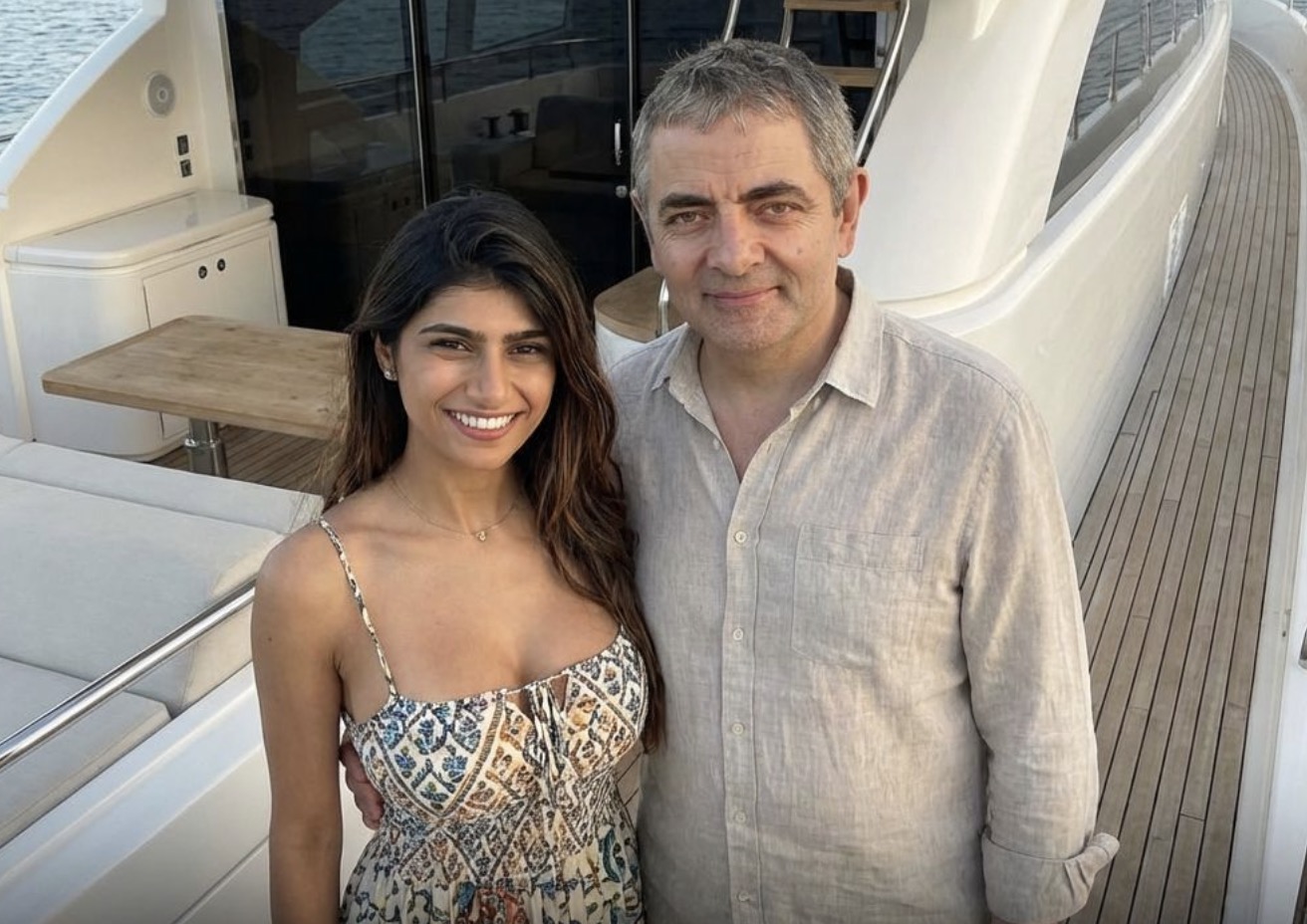
f you spent any time online recently, you may have seen a truly wild headline floating around claiming that Mia Khalifa was dating Rowan Atkinson, best known as Mr. Bean. The images looked convincing. The story was absurd enough to be intriguing. And, unsurprisingly, it wasn’t true.
The rumor originated from a satirical post that included AI-generated images, which were quickly shared without context. Once the joke escaped its original source, it took on a life of its own. Mia Khalifa herself publicly shut it down, confirming the entire thing was fabricated.
It is a funny story, but it is also a useful reminder of how easily misinformation spreads online.
Images are no longer proof
We are officially living in an era where seeing is not believing. AI-generated images and edited photos can look shockingly real, especially when viewed quickly on a phone screen. A convincing photo does not guarantee a real moment, a real relationship, or even a real person.
This applies far beyond celebrity gossip. The same tools that create viral hoaxes are also used every day on dating apps and social platforms.
Always check the source
In this case, the story started as satire. Once screenshots circulated without attribution, the original context disappeared. Before believing or sharing something, it is worth asking a few simple questions: Who posted this? Is it a reputable source? Is there confirmation elsewhere?
If the answer is no, proceed carefully.
If it feels too good, or too unhinged, pause
Sensational stories are designed to grab attention. They trigger curiosity, disbelief, and the urge to share. That emotional reaction is often a signal to slow down, not speed up.
The same instinct applies to online dating. Profiles that feel impossibly perfect, strangely dramatic, or just slightly off deserve a second look.
What this means for dating online
Dating apps are full of real people, but they are also full of filters, outdated photos, exaggerations, and in some cases outright fabrication. A little healthy skepticism is not cynicism, it is self protection.
Do a reverse image search if something feels suspicious. Video chat before getting emotionally invested. Pay attention to inconsistencies. Trust your instincts when something does not add up.
Healthy skepticism is not pessimism
Questioning what you see online does not make you jaded. It makes you informed. In a digital world where images, stories, and even identities can be manufactured, slowing down and doing your homework is one of the smartest dating skills you can have.
So the next time the internet insists on an unlikely celebrity pairing, or a dating profile that feels too good to be true, remember this story. Sometimes the joke is obvious. Sometimes it is not. Either way, a little curiosity and caution go a long way.
Looking for a dating space where authenticity actually matters? Join OBC, where real connections beat viral illusions every time.


